
Florida has two HVAC seasons that matter and a handful of in-between months. A simple calendar of what to check, clean and book through the year.
Florida does not have four seasons the way northern states do, but a home air system still works to a calendar. It runs almost nonstop from May through October, rests for a few mild months, and gets one or two cold snaps in between. A short list for each part of the year keeps small problems from landing on the hottest day.
January and February: the cold snaps
This is when heat pumps and furnaces get used, often after sitting idle since last winter. Before the first cold night, switch the thermostat to heat and listen for the system starting normally. A burning smell for the first few minutes is common with a heater that has collected dust, but a smell that lasts, or any noise that sounds like scraping, deserves a call. Replace the filter now, since the one in place has been through the long cooling season.
March and April: the best time for a tune-up
Spring is the sweet spot. The weather is mild, technicians have open schedules, and any problem found now can be fixed before summer demand begins. A tune-up checks refrigerant levels, electrical connections, the condensate drain, and the coils, and it is when a weak capacitor gets replaced for a few dollars instead of failing in July.
May: get ahead of the heat
- Clear leaves, grass clippings and anything stacked against the outdoor unit, leaving at least two feet of room around it.
- Pour the manufacturer-recommended amount of cleaning solution or a cup of vinegar down the drain line access if your technician showed you how.
- Check that supply and return vents are open and unblocked.
- Set a recurring reminder for filter changes.
June through September: running hard
This is peak load, and the rule is to watch for changes. A system that takes longer to cool, a higher bill with similar weather, ice on the lines, water around the indoor unit, or new sounds are all early warnings. Shut the system off if you see ice or water and call, since running a frozen coil can damage the compressor. Check the filter monthly if you have pets or run the system constantly.
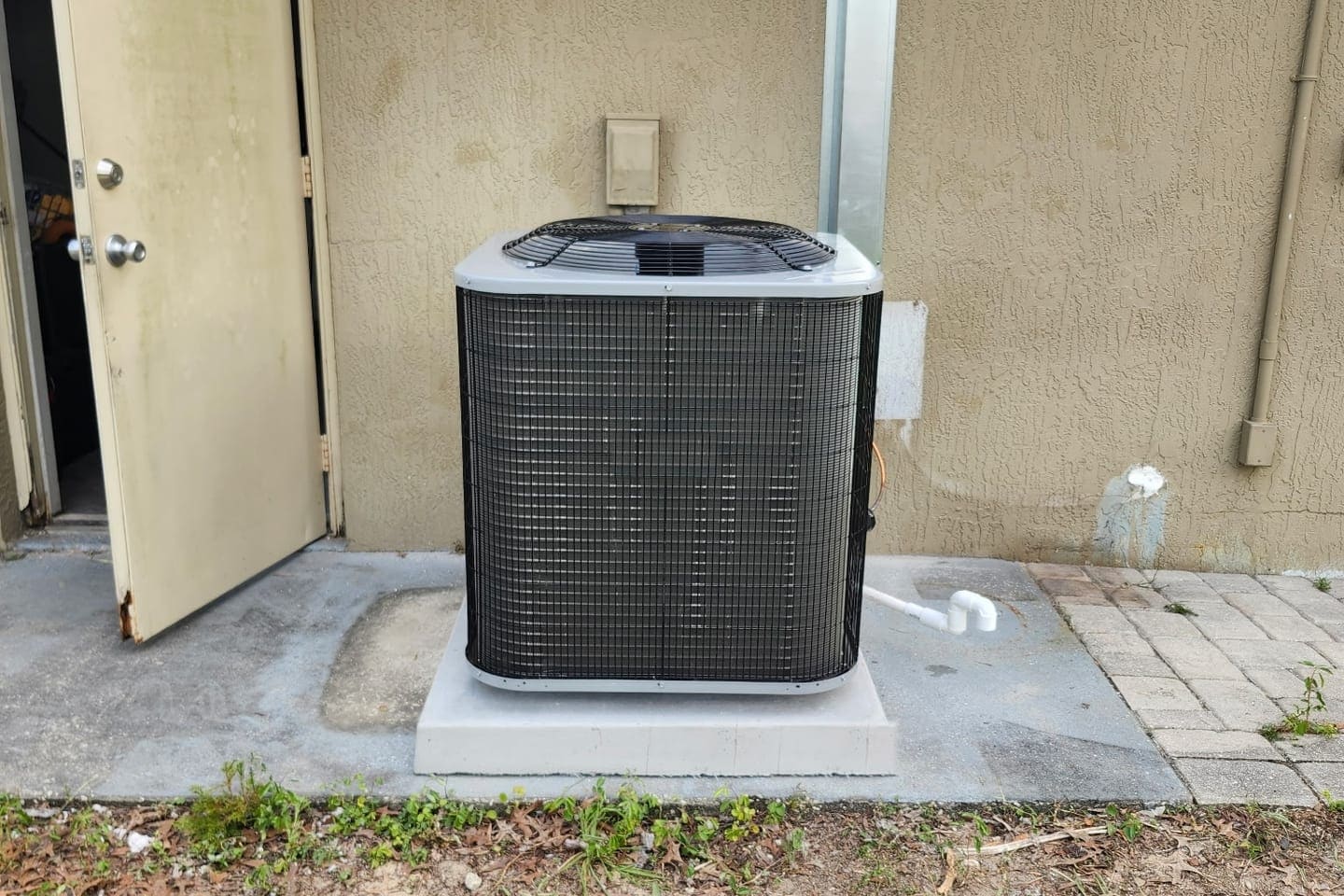
Hurricane season sits in this stretch as well. Before a storm, switch the system off at the breaker so a surge or a power flicker does not damage it, and have a technician look at the outdoor unit after the storm before you start it again.
October and November: the second tune-up window
After the long summer, the system has earned a look. This is also the time to schedule duct cleaning, a thermostat upgrade, or the replacement you have been putting off, because schedules open up again and cooler weather makes installation more comfortable for everyone.
December: the quiet check
Replace the filter, check that smoke and carbon monoxide detectors have fresh batteries if you have a gas furnace, and confirm the thermostat's schedule matches your holiday routine. A programmable thermostat that is set for a work week can run the system all day while you are away.
Every month, all year
- Look at the filter, and change it when it is dirty.
- Walk past the outdoor unit and make sure nothing is leaning on it.
- Glance at the drain line outlet for a steady drip in humid weather.
- Notice sounds and smells, and write down when anything changes.
Keeping a note on your phone of the date of the last tune-up and the filter size saves a lot of guessing. If you would rather have someone else keep the calendar, a maintenance plan with spring and fall visits does exactly that.
Questions we get asked about this
When is the best time of year for an AC tune-up in Florida?
March and April are the sweet spot, when the weather is mild and schedules are open, so problems found can be fixed before summer demand begins. October and November are a second good window.
What should I do before the first cold night?
Switch the thermostat to heat and listen for the system starting normally, and replace the filter. A burning smell for the first few minutes is common with a heater that has collected dust, but one that lasts deserves a call.
What should I watch for during the hottest months?
Changes: slower cooling, a higher bill in similar weather, ice on the lines, water around the indoor unit, or new sounds. If you see ice or water, shut the system off and call.
What should I do to my air conditioner before a hurricane?
Switch the system off at the breaker so a surge or power flicker cannot damage it, and have a technician look at the outdoor unit after the storm before you start it again.
What should I check every month?
Look at the filter and change it when it is dirty, check that nothing is leaning on the outdoor unit, glance at the drain line outlet for a steady drip in humid weather, and notice any new sounds or smells.
Want this looked at rather than read about?
More HVAC tips
Why a Home Inspection Matters Before HVAC Repairs or Replacement
Before HVAC repairs or replacement, a home inspection can uncover hidden issues. Learn why Florida homeowners trust inspections before major HVAC work.
AC Replacement Near Me: Tips for Choosing and Saving
Explore expert tips on AC replacement, costs, and choosing the right system for your home. Find trusted HVAC services near you today!
AC Repair Service | Professional Installation & Maintenance
Get reliable AC repair service, installation, and maintenance to keep your system running efficiently. Contact us today for expert solutions!