
A heat pump or furnace may run only a few weeks a year in Florida, which is exactly why it fails. What a heating checkup covers and when to book it.
In much of Florida, the heating system runs for a few weeks each winter. That makes it easy to forget, and the forgetting is the problem. Equipment that sits idle for ten months collects dust, develops stiff bearings and loses a little more of its original condition each year. The first cold night is a bad time to learn that it does not start.
Heat pump or furnace: know which you have
Most Florida homes heat with one of two systems. A heat pump uses the same outdoor unit as the air conditioner and reverses the cycle, so a single unit works year-round and its parts get regular use. A furnace, whether electric or gas, sits unused all summer and wakes up in December. Either needs a checkup before cold weather, but the items on the list are different.
What a heating tune-up covers
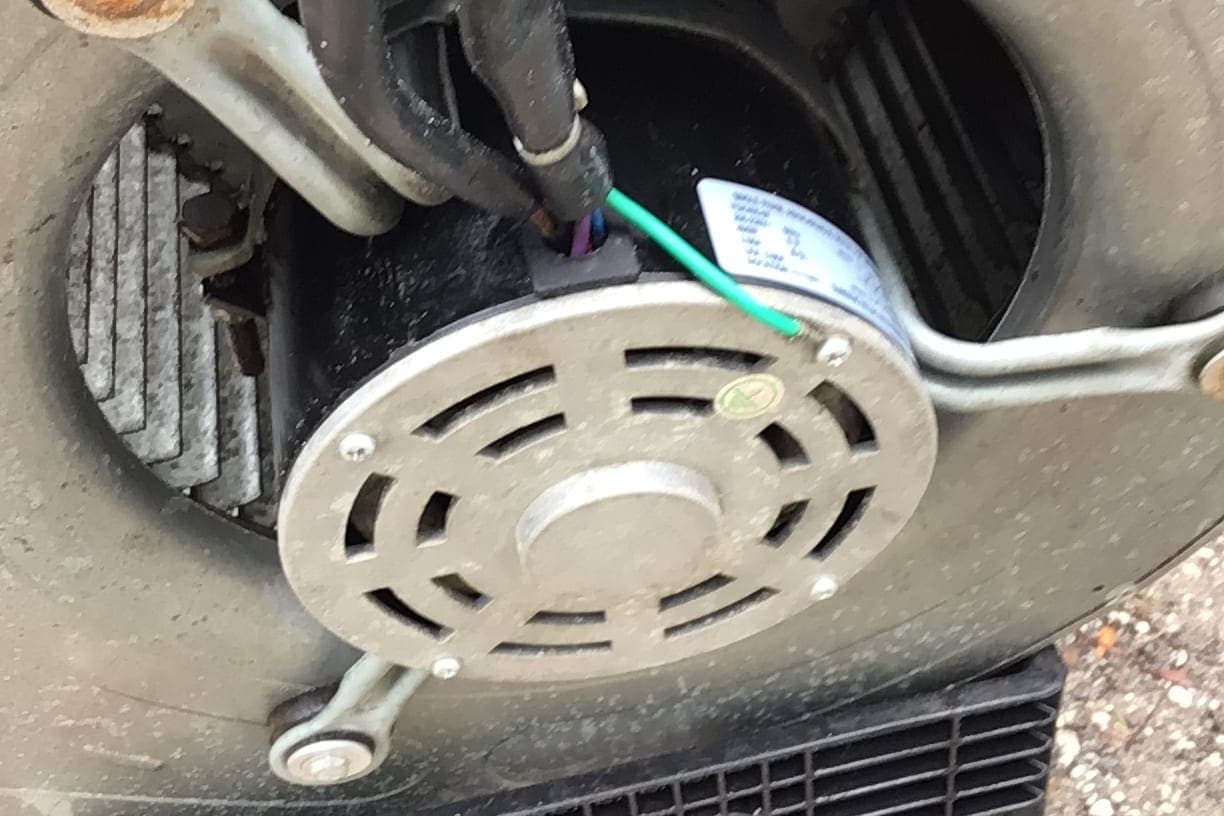
- Electrical connections and controls: loose or corroded connections cause most heating failures, and tightening them is quick.
- Heating elements or burners: a technician checks that elements energize and that gas burners light and burn cleanly.
- Airflow: a clogged filter or dirty blower wheel reduces heat and raises the risk of overheating.
- The reversing valve and defrost control on a heat pump: these switch between cooling and heating and are used only a few times a year.
- The thermostat: wiring and settings are checked so the system responds when you ask for heat.
- Safety checks: on a gas furnace, the heat exchanger, flue and carbon monoxide are checked, which is the reason a gas system should never skip its inspection.
Why short winters still wear things out
Equipment does not need to run long to deteriorate. Dust on contacts, insects nesting in an idle furnace, and moisture in the ductwork all build up while a system is off. Starting an electric heat strip after months idle can also produce a brief burning smell as dust burns off, which is normal for a few minutes and not normal if it lingers.
Signs your heat needs attention
- Warm air takes a long time to arrive, or the air is only lukewarm.
- The system turns on and off in short cycles.
- You hear scraping, banging or a loud hum at start-up.
- Your electric bill rises sharply in a cold month.
- You smell gas or something burning that does not fade. If you smell gas, leave the house and call the gas company from outside.
When to schedule it
The best time for a heating checkup is October or November, before the first cold front. If you have a heat pump, a spring and fall pair of visits covers both seasons, and a spring and fall pair of visits is what a maintenance plan is built around. If you wait for the first cold snap, you will compete with everyone else who just discovered that their heat does not work.
What you can do yourself
- Replace the filter before the first cold night.
- Test the heat for a few minutes in the fall while the weather is still mild.
- Clear anything stored in front of vents and around the air handler.
- Make sure carbon monoxide detectors work if you have gas appliances.
A little attention in the fall takes care of most of the surprises. If something does not behave, call before the cold arrives rather than after.
Questions we get asked about this
Why does a Florida heating system need maintenance if it rarely runs?
Equipment that sits idle collects dust, gathers moisture and loses condition, and the first cold night is a bad time to find out it will not start. A heating checkup catches those problems beforehand.
What does a heating tune-up cover?
Electrical connections and controls, heating elements or burners, airflow, the reversing valve and defrost control on a heat pump, the thermostat, and on a gas furnace the heat exchanger, flue and carbon monoxide.
When should I schedule a heating checkup?
October or November, before the first cold front. With a heat pump, a spring and fall pair of visits covers both seasons.
Is a burning smell when I first turn on the heat normal?
A brief one can be, as dust burns off an electric heat strip. A smell that lingers is not normal, and if you smell gas you should leave the house and call the gas company from outside.
What can I do myself before cold weather arrives?
Replace the filter, test the heat for a few minutes while the weather is still mild, clear anything stored in front of vents and around the air handler, and make sure carbon monoxide detectors work if you have gas appliances.
Want this looked at rather than read about?
More HVAC tips
Why a Home Inspection Matters Before HVAC Repairs or Replacement
Before HVAC repairs or replacement, a home inspection can uncover hidden issues. Learn why Florida homeowners trust inspections before major HVAC work.
AC Replacement Near Me: Tips for Choosing and Saving
Explore expert tips on AC replacement, costs, and choosing the right system for your home. Find trusted HVAC services near you today!
AC Repair Service | Professional Installation & Maintenance
Get reliable AC repair service, installation, and maintenance to keep your system running efficiently. Contact us today for expert solutions!