
A comfortable house is more than a cold thermostat reading. How equipment, ducts, humidity and insulation work together in a Florida home.
Comfort and temperature are not the same thing. A house can read 74 degrees and still feel clammy in the living room and stuffy in the back bedroom. When people say they want a comfortable home, they are usually describing four things working together: the equipment, the air distribution, the humidity, and the building around it.
The equipment sets the ceiling
Your air conditioner or heat pump decides how much heat the house can lose or gain on a hot day, and its size matters more than most people expect. An oversized system cools the air quickly, shuts off, and leaves the moisture behind, which is why some new systems produce a cold, damp feeling. An undersized one runs without stopping and never quite catches up. Sizing by a proper load calculation, which accounts for the walls, windows, insulation and the way the house faces, is the foundation of everything that follows.
Ducts decide where the comfort goes
Most of the cool air in a typical Florida home travels through ducts in an attic. If those ducts leak, the system pays to cool the attic, and the rooms at the end of the run get less than their share. Sagging flex duct, crushed sections, and joints that have lost their tape are common causes of rooms that never feel right. Fixing the duct work is often less expensive than replacing equipment and can change how the whole house feels.
Humidity is half of the feeling
In a humid climate, moisture does as much to your sense of comfort as the temperature does. Air at 76 degrees and high humidity feels warmer than dry air at 78. A system that runs long enough cycles removes moisture as it cools, while short cycles do not. If the house feels sticky even when the air conditioner is running, look at the system's size and run time before you lower the thermostat, since lower settings raise the bill without fixing the humidity.
The building around the system
Insulation, air sealing and shade all reduce the work the equipment has to do. A bare west-facing wall bakes in the afternoon and shows up as a hot room, however good the air conditioner is. Attic insulation that has settled, gaps around attic hatches and recessed lights, and single-pane or unshaded windows are common leaks of comfort. They are also places where a small investment pays back every summer.
Heating is part of it too
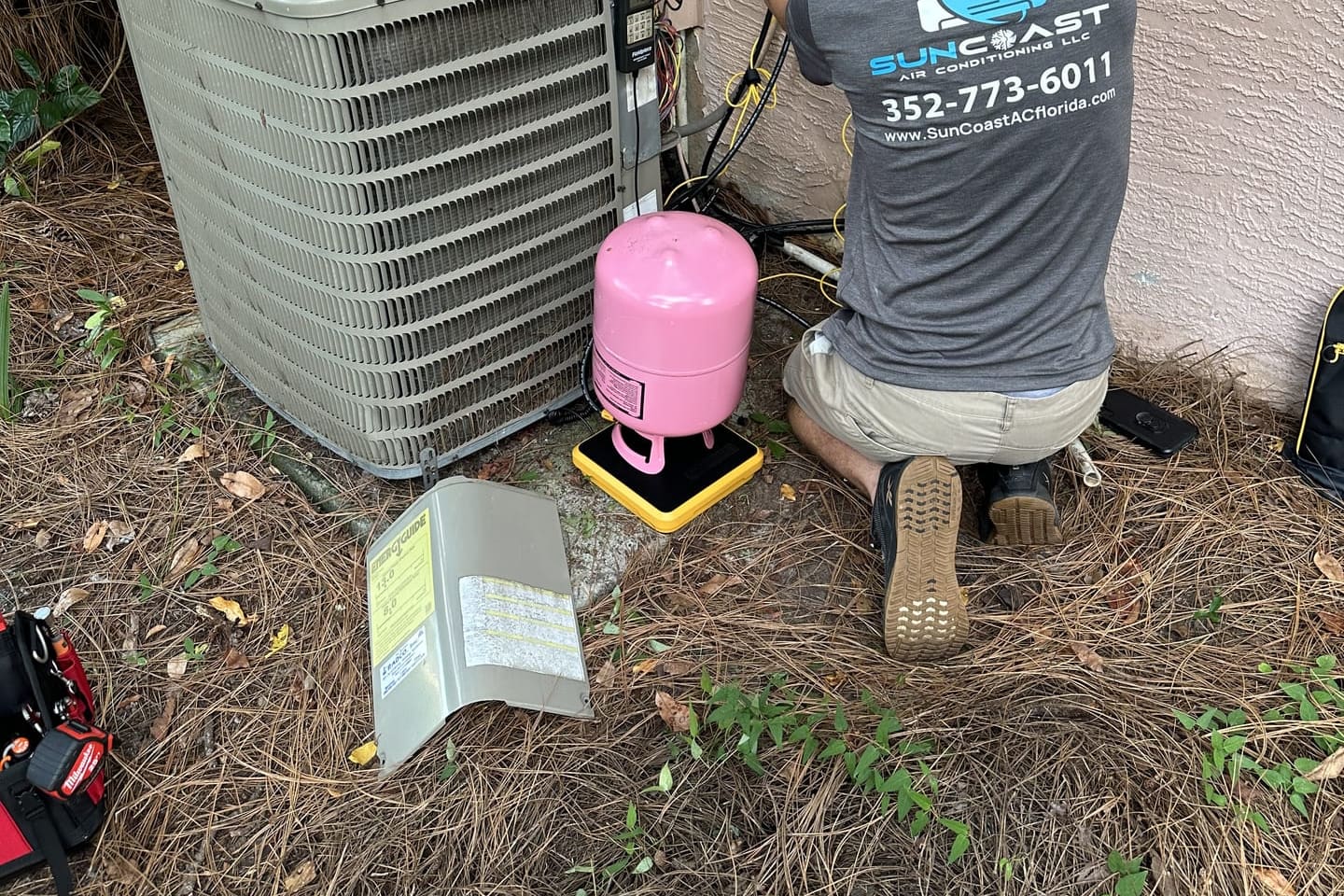
Florida winters are short, but the first cold morning always arrives. A heat pump or furnace that has sat unused for months can fail the first time it is asked to run. If the heat comes from the same outdoor unit that cools the house, a spring and fall visit takes care of both seasons with one trip.
Air quality completes the picture
A home can be the right temperature and humidity and still feel stale if the filter is clogged or the ducts are full of dust. Replacing the filter on schedule, keeping supply and return vents clear, and cleaning the ducts when they need it make the air feel fresher and reduce the strain on the blower.
Where to start
- Note which rooms feel wrong and at what time of day.
- Check the filter, and make sure no vent is blocked by furniture.
- Ask for a visit that looks at airflow and humidity, not only whether the compressor runs.
- Look at the attic: insulation depth, duct condition, and obvious gaps.
- Decide on equipment last, after you know what the house is actually asking of it.
A technician who looks at the whole system will tell you which of these matters most in your home, and sometimes the answer is a small repair, not a new unit.
Questions we get asked about this
Why does my house feel uncomfortable even when the thermostat is on target?
Comfort depends on more than temperature. Humidity, airflow from the ducts and the building around the system all matter, so a house can read 74 degrees and still feel clammy in one room and stuffy in another.
Can a system that is too large cause discomfort?
Yes. An oversized system cools the air quickly, shuts off, and leaves moisture behind, which can leave the house feeling cold and damp. Sizing by a proper load calculation is the foundation of a comfortable home.
Can leaky ducts make some rooms never feel right?
Yes. Most Florida homes run ducts through an attic, and leaks, sagging flex duct and joints that have lost their tape waste cooled air. Repairing the ducts is often less expensive than replacing equipment.
Why does it feel sticky when the air conditioner is running?
A system with short run cycles may cool the air without removing much moisture. Look at the system's size and run time before you lower the thermostat, since lower settings raise the bill without fixing the humidity.
Where should I start if I want a more comfortable home?
Note which rooms feel wrong and when, check the filter and vents, ask for a visit that looks at airflow and humidity, look at the attic's insulation and ducts, and decide on new equipment last.
Want this looked at rather than read about?
More HVAC tips
Why a Home Inspection Matters Before HVAC Repairs or Replacement
Before HVAC repairs or replacement, a home inspection can uncover hidden issues. Learn why Florida homeowners trust inspections before major HVAC work.
AC Replacement Near Me: Tips for Choosing and Saving
Explore expert tips on AC replacement, costs, and choosing the right system for your home. Find trusted HVAC services near you today!
AC Repair Service | Professional Installation & Maintenance
Get reliable AC repair service, installation, and maintenance to keep your system running efficiently. Contact us today for expert solutions!