
Fixing one part at a time can cost more than a single plan. How to tell when equipment, ducts and controls should be handled together.
Most HVAC problems are fixed one at a time: a capacitor here, a drain line there. That is the right approach when the system is basically sound. But sometimes a string of separate repairs is a sign that the system as a whole needs attention, and a single plan costs less than a series of patches.
The signs you are patching
- You have had two or three repairs in the last couple of years, each on a different part.
- The system is more than ten to fifteen years old, and parts are getting harder to find.
- Some rooms are never comfortable, however well the equipment seems to run.
- Your energy bills keep rising while the weather stays the same.
- The ducts are in the attic, and nobody has looked at them in years.
Three parts of one system
A home comfort system has three parts that depend on one another. The equipment, meaning the outdoor unit and the indoor coil or air handler, makes the cooling or heat. The ducts deliver it, and the controls, including the thermostat and any zoning, tell it when to run. Upgrading one part while ignoring the others often disappoints. New equipment on leaky ducts delivers less than it should, and a smart thermostat cannot fix an undersized system.
Why ducts deserve a look at replacement time
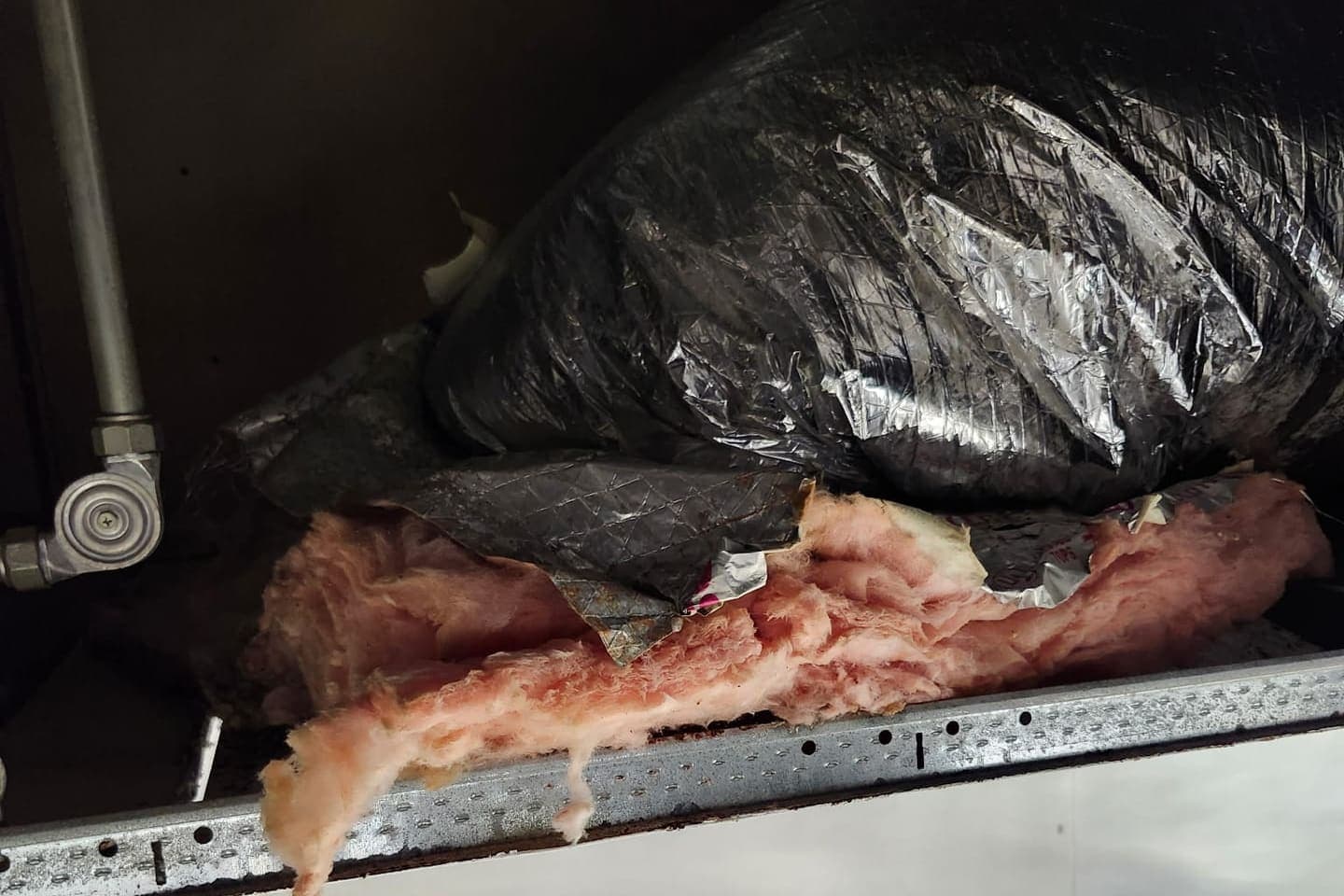
Ducts in a Florida attic live a hard life: heat, moisture, rodents and the occasional careless foot. Leaks, crushed sections and disconnected joints are common, and they waste a good share of the air you pay to cool. When you replace the equipment, the ducts are accessible and the cost of fixing them is lowest. Doing it later means paying for access twice.
When to repair, and when to plan
- Newer system, one failed part: repair the part.
- Middle-aged system, repeated repairs: get a written repair-versus-replace comparison.
- Old system, major component failure: plan a replacement, with the ducts checked.
- Good equipment, uneven rooms: look at the ducts and airflow first.
- Rising bills, no obvious failure: test airflow, refrigerant and duct leakage.
What a good plan looks like
- A diagnosis of the whole system, with readings recorded, not only the failed part.
- A load calculation that sizes any new equipment to the house.
- An inspection of the ducts, with any repairs listed separately and priced.
- Options at different levels, so you can choose what fits your budget now and what can wait.
- A written estimate that states exactly what is included.
Staging the work
A plan does not have to be done all at once. You might fix the ducts and the drain line this year, replace the outdoor unit and coil next spring, and add a better thermostat afterward. What matters is that each step fits into the larger picture, so nothing you pay for has to be undone.
Beware of the upsell, and of the patch
There are two ways to get this wrong: a company that sells a full replacement every time it sees a repair, and a company that keeps patching a system that is past its useful life. A trustworthy technician will tell you honestly which of the two applies, and explain their reasoning in terms you can check.
How to start
Ask for a comfort and efficiency evaluation instead of a repair alone. We will look at the equipment, the ducts and the controls, tell you what we find, and give you a written breakdown of the choices, including the option of doing nothing yet.
Questions we get asked about this
How do I know if I am just patching my HVAC system?
Signs include two or three repairs in a couple of years on different parts, a system more than ten to fifteen years old, rooms that are never comfortable, rising bills in the same weather and ducts nobody has looked at in years.
What are the three parts of a home comfort system?
The equipment that makes the cooling or heat, the ducts that deliver it, and the controls that tell it when to run. Upgrading one while ignoring the others often disappoints.
Why look at the ducts when replacing equipment?
Attic ducts can leak, crush or disconnect, wasting a good share of the air you pay to cool. At replacement time the ducts are accessible and the cost of fixing them is lowest.
Can an HVAC plan be done in stages?
Yes. You might fix the ducts and drain line this year, replace the outdoor unit and coil next spring and add a better thermostat afterward, as long as each step fits the larger plan.
What should a good HVAC plan include?
A diagnosis of the whole system, a load calculation for any new equipment, a duct inspection with repairs priced separately, options at different levels and a written estimate that states exactly what is included.
Want this looked at rather than read about?
More HVAC tips
Why a Home Inspection Matters Before HVAC Repairs or Replacement
Before HVAC repairs or replacement, a home inspection can uncover hidden issues. Learn why Florida homeowners trust inspections before major HVAC work.
AC Replacement Near Me: Tips for Choosing and Saving
Explore expert tips on AC replacement, costs, and choosing the right system for your home. Find trusted HVAC services near you today!
AC Repair Service | Professional Installation & Maintenance
Get reliable AC repair service, installation, and maintenance to keep your system running efficiently. Contact us today for expert solutions!