
Why one repair takes an hour and another takes two visits. The access, parts and diagnosis factors that decide how quickly your air conditioner is back on.
Two neighbors can have the same warm air coming out of the vents and very different repair experiences. One is cooling again by lunch, and the other waits for a part for two days. The difference usually comes from a short list of factors, a few of which you can influence.
What speeds a repair up
- A clear description of the problem. When the technician knows the symptoms before arriving, the diagnosis starts with the likeliest causes.
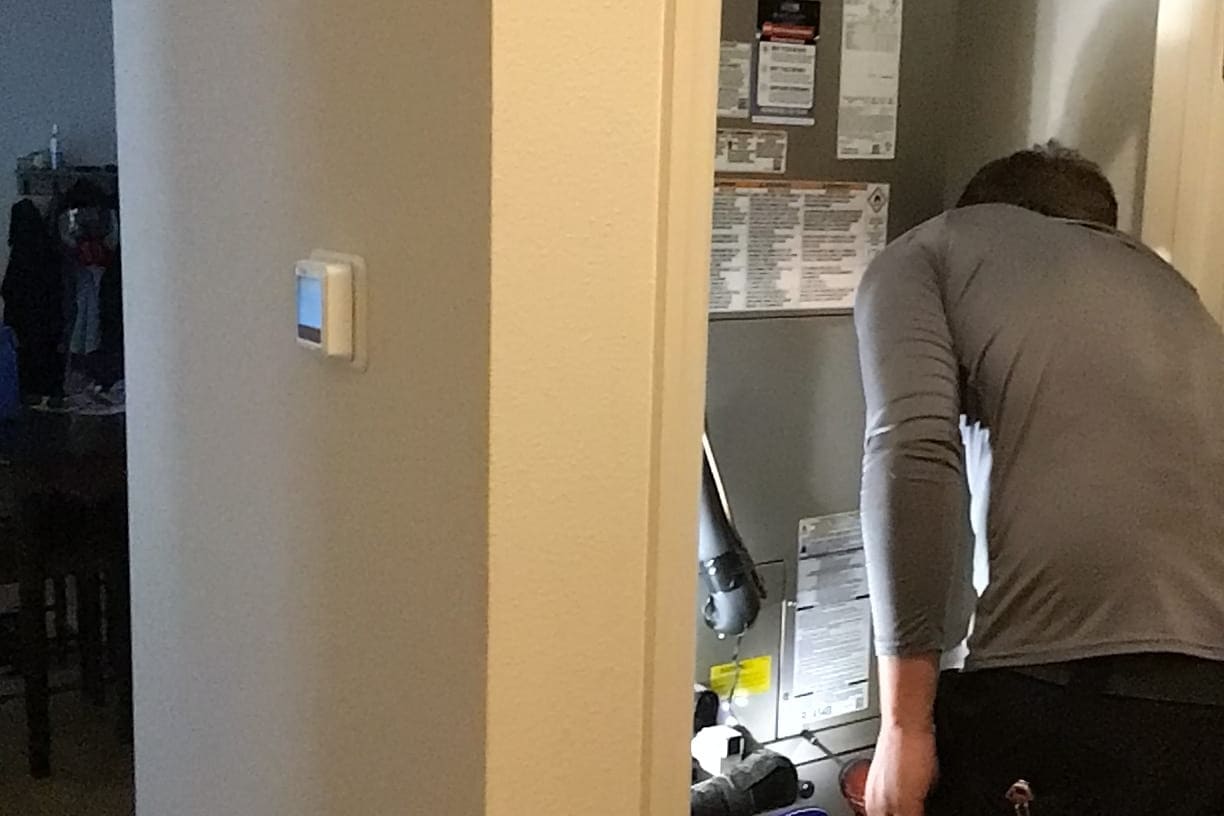
- Easy access. Clear paths to the indoor and outdoor units, an attic ladder that works, and a pet in another room save time at every stage.
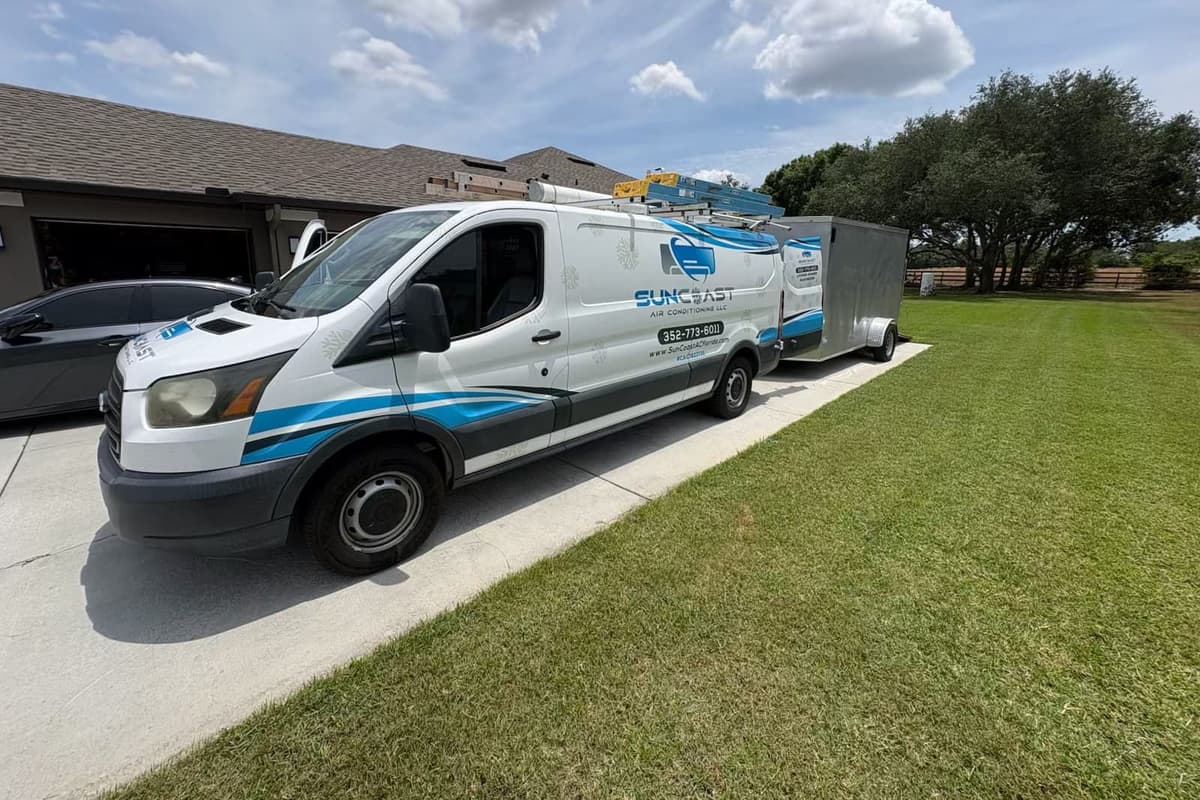
- Common parts. Capacitors, contactors, fan motors and thermostats are the usual failures, and a truck that carries them can finish in a single visit.
- A system with a service history. Records of earlier repairs and the last tune-up point to what has already been checked.
- Decisions made on site. A homeowner who is home, or reachable, to approve a repair keeps the technician working instead of waiting.
What slows it down
- Intermittent problems. A fault that comes and goes is harder to find than one that is there when the technician arrives, and may need a second visit with meters connected for longer.
- Special-order parts. Control boards, compressors and motors for older or uncommon equipment may have to be ordered, and some are on back order.
- Hidden second problems. A failed capacitor can be the symptom of a motor drawing too much current, so replacing the cheap part first without testing can lead to a repeat failure.
- Refrigerant work. Finding a leak takes time, since the system has to be tested and the leak located and fixed before it is recharged. Topping up without fixing is not a repair.
- Peak season. In a heat wave, every technician is booked, and the first available appointment may be the next day.
Why a quick fix can be the slow way
A technician who swaps parts hoping to hit the cause may fix the symptom for a week. A short, careful diagnosis, with readings taken and recorded, takes longer at the start and prevents a return visit. Time spent finding the real cause is the cheapest time in the repair.
How the repair-or-replace question affects speed
When a system is old, the technician may raise replacement as an option, and a good one will lay out the choices clearly: a repair now, a repair with a warning about what could fail next, or a replacement. Making that decision quickly can cut days from the process. A repair on a system with a failed compressor and an old refrigerant is often not the best use of money.
What you can do
- Describe symptoms and timing, and send a photo of the nameplate if you can.
- Keep the unit accessible and be reachable during the visit.
- Replace the filter regularly, since a blocked filter is behind a surprising number of calls.
- Book a spring tune-up, which finds worn parts while they can be replaced on a regular appointment.
What to expect from a good company
A reliable company will tell you what it found, what it will do about it and how long that should take, and it will say so honestly if a part has to be ordered. We would rather give you the real timeline than an optimistic one that fails.
Questions we get asked about this
Why does one AC repair take an hour and another take two visits?
The difference usually comes from whether the part is on the truck, how easy access is, how clearly the problem was described and whether the fault is steady or intermittent.
What slows an HVAC repair down?
Intermittent problems, special-order parts, a hidden second problem behind the first, refrigerant leaks that must be located and fixed before recharging, and peak-season schedules.
Why isn't swapping the cheap part always the fastest fix?
Parts such as capacitors often fail because something else is wrong, like a motor drawing too much current. Replacing the part without asking why can lead to a repeat failure, so a short careful diagnosis saves time.
Why isn't topping up refrigerant a repair?
Because refrigerant does not get used up. If the level is low there is a leak, and finding and fixing it takes time, but a top-up without fixing the leak only delays the failure.
What can I do to speed up my repair?
Describe the symptoms and timing, send a photo of the nameplate, keep the units accessible, be reachable during the visit, replace the filter regularly and book a spring tune-up.
Want this looked at rather than read about?
More HVAC tips
Why a Home Inspection Matters Before HVAC Repairs or Replacement
Before HVAC repairs or replacement, a home inspection can uncover hidden issues. Learn why Florida homeowners trust inspections before major HVAC work.
AC Replacement Near Me: Tips for Choosing and Saving
Explore expert tips on AC replacement, costs, and choosing the right system for your home. Find trusted HVAC services near you today!
AC Repair Service | Professional Installation & Maintenance
Get reliable AC repair service, installation, and maintenance to keep your system running efficiently. Contact us today for expert solutions!