
What happens during an HVAC diagnostic visit: the questions, measurements and tests that separate the symptom from the cause, and what you should be shown.
Warm air from a vent is a symptom, and a symptom can have a dozen causes. The skill in air conditioning repair is working out which one, and doing it quickly enough that you are not paying for a long afternoon of guessing. Here is what a good diagnostic visit looks like from the inside.
It starts with questions
A technician learns a great deal before touching the equipment. When did it start, was it sudden, does it happen at a particular time of day, have you had work done recently, is anything leaking? Your answers narrow the possibilities. A slow decline in cooling points toward refrigerant, airflow or dirty coils, while a sudden stop points toward an electrical failure.
The visual walk-around
Next comes a look at the whole system, outside and in:
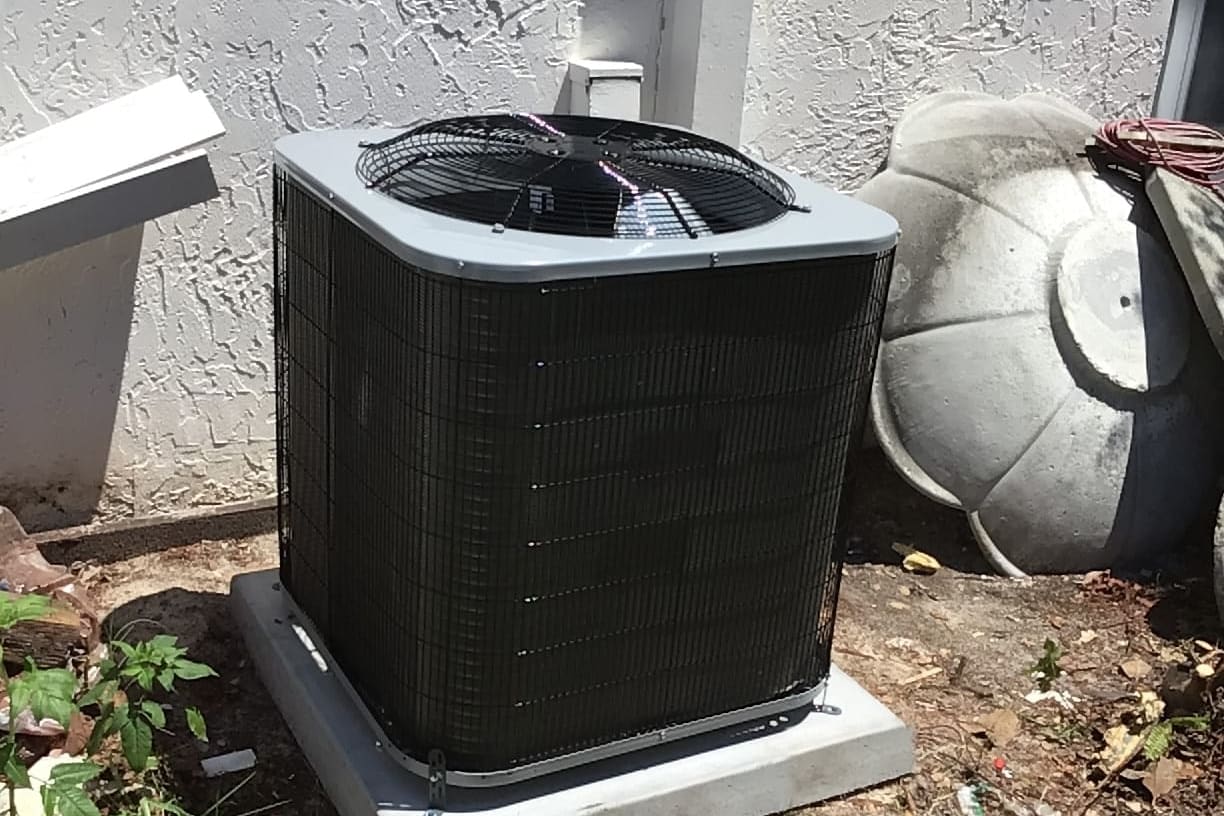
- The outdoor unit: fan running, coil clean, any oil staining at the connections.
- The indoor unit: filter condition, ice on the coil, water in the drain pan, rust or moisture.
- The thermostat: settings, wiring and whether it is reading the right temperature.
- The ducts and registers that are accessible: obvious disconnections, crushed runs, closed dampers.
Measurements, not hunches
The technician then takes readings, which is where a diagnosis becomes reliable:
- Temperature split. The difference between the air entering and leaving the coil shows whether the system is removing heat as it should.
- Refrigerant pressures and temperatures. Gauges connected to the lines show whether the charge is right, and how to read it depends on conditions such as outdoor temperature.
- Electrical readings. Voltage and the current drawn by the compressor and fan motors show whether a motor is struggling, and capacitors can be tested for their rated value.
- Airflow and static pressure. These reveal restrictions in the filter, the coil or the ducts.
Why the cheap part is not always the cause
A weak capacitor is a common failure and a cheap one, but capacitors often fail because a motor is drawing too much current or because the outdoor unit is overheating from a dirty coil. If the technician replaces the part without asking why it failed, the new one may fail in a few months. The diagnosis includes the why.
What you should be shown
A good technician explains in plain words what he found and, wherever possible, shows you: the failed part, the reading on the meter, the dirty coil. You should come away with the cause, the proposed fix, the price and the alternatives, such as repairing now or monitoring a part that is worn but working.
Intermittent problems
The hardest faults are the ones that are not there when the technician arrives. A thermostat that drops out, a connection that loosens in the afternoon heat, or a drain switch that trips only after hours of running can take a longer visit or a second one. Describing exactly when it happens, and photographing any error code on a control board, is the best help you can give.
The diagnostic fee
Most companies charge a fee for the diagnostic visit, which pays for the technician's time and the training and equipment behind it. Ask whether it is credited toward the repair if you go ahead. A diagnostic fee is a fair charge, and a repair estimate without a diagnosis is a guess.
After the repair
- The system is run through a full cycle with the technician present.
- Temperature split, pressures and current are checked again.
- You get a written record of the work and any recommendations.
That final check is what separates a repair that holds from one that quietly fails on the next hot weekend.
Questions we get asked about this
What happens during an HVAC diagnostic visit?
The technician asks about the symptoms, walks around the system outside and in, and takes measurements such as temperature split, refrigerant pressures, electrical readings and airflow before naming a cause.
Why does the technician take readings?
Measurements turn a guess into a diagnosis. The temperature split shows whether the system removes heat as it should, and pressures, voltage, current and airflow reveal where the problem is.
Why would a technician ask why a part failed?
Because cheap parts such as capacitors often fail for a reason, like a motor drawing too much current or a dirty coil. Replacing the part without finding the reason can mean a repeat failure.
What should I be shown after the diagnosis?
The cause, the proposed fix, the price and the alternatives, and where possible the failed part, the reading on the meter or the dirty coil itself.
Why do HVAC companies charge a diagnostic fee?
It pays for the technician's time and the training and equipment behind the diagnosis. Ask whether it is credited toward the repair if you go ahead.
Want this looked at rather than read about?
More HVAC tips
Why a Home Inspection Matters Before HVAC Repairs or Replacement
Before HVAC repairs or replacement, a home inspection can uncover hidden issues. Learn why Florida homeowners trust inspections before major HVAC work.
AC Replacement Near Me: Tips for Choosing and Saving
Explore expert tips on AC replacement, costs, and choosing the right system for your home. Find trusted HVAC services near you today!
AC Repair Service | Professional Installation & Maintenance
Get reliable AC repair service, installation, and maintenance to keep your system running efficiently. Contact us today for expert solutions!